



Shop all our special offers today -
Shop Now
Micrometers
2,341 items returned
Loading

-
Select a category for the best experience
-
-
-
-
-
-
-
-
-
-
-
-
-
-
-
-
-
-
-
-
-
-
-
-

In Stock
Web Price
$257.40 / ea.
In Stock
Web Price
$176.40 / ea.
In Stock
Web Price
$302.97 / ea.
Order Qty of 1 equals (1) 2 Piece Unit
In Stock
Web Price
$358.00 / ea.

In Stock
Web Price
$20.20 / ea.
Order Qty of 1 equals (1) 4 Ounce Bottle
In Stock
Web Price
$62.14 / ea.
In Stock
Web Price
$271.70 / ea.
In Stock
Web Price
$149.71 / ea.
In Stock
Web Price
$409.00 / ea.
In Stock
Web Price
$345.00 / ea.
Order Qty of 1 equals (1) 6 Piece Unit
In Stock
Web Price
$342.90 / ea.
In Stock
Web Price
$767.00 / ea.
In Stock
Web Price
$311.00 / ea.
In Stock
Web Price
$295.00 / ea.
Order Qty of 1 equals (1) 3 Piece Unit

MSC#
42625186
Mfr#
CMS160622018
In Stock
Web Price
$456.83 / ea.
Order Qty of 1 equals (1) 6 Piece Set
In Stock
Web Price
$213.56 / ea.

In Stock
Web Price
$12.26 / ea.
In Stock
Web Price
$337.00 / ea.
Order Qty of 1 equals (1) 6 Piece Set
In Stock
Web Price
$286.00 / ea.
In Stock
Web Price
$154.00 / ea.
In Stock
Web Price
$105.59 / ea.
In Stock
Web Price
$1,130.00 / ea.
Order Qty of 1 equals (1) 11 Piece Set
In Stock
Web Price
$1,010.00 / ea.
Have a question?
We're here to help
Top Sellers
Micrometers
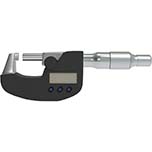
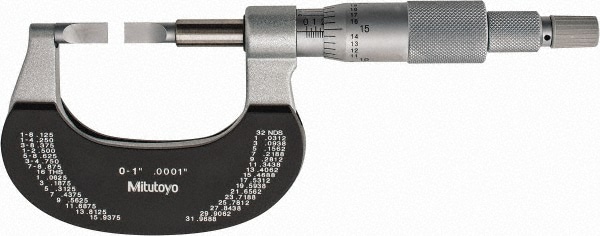
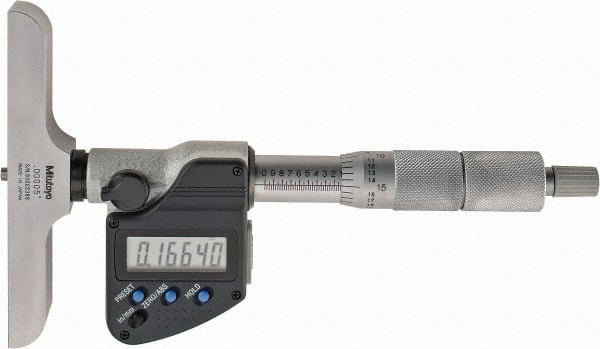
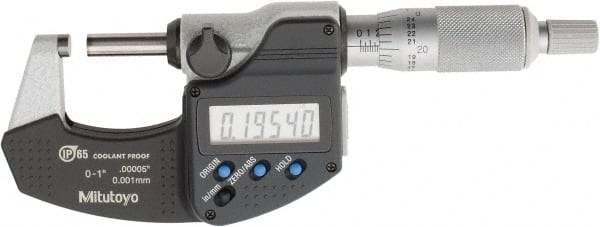
Measure objects with a high degree of precision using micrometers from MSC. We carry micrometers in a variety of measurements, graduation and thimble types such as friction, plain and ratchet-friction. Our extensive selection includes mechanical and electronic outside and inside options, screw thread and point micrometers that help to ensure accuracy in the workplace. If you are looking for machinist caliper and micrometer tool kits widely used in mechanical engineering and machining applications, we have you covered.
How to Read an Outside Micrometer: A Step-by-Step Guide
A micrometer is a measuring tool that mechanics, engineers, and other technicians use to take extremely precise and accurate measurements during daily operations. Learning how to read a micrometer correctly is important to guarantee reliable results and prevent costly errors.
Parts of an Outside Micrometer
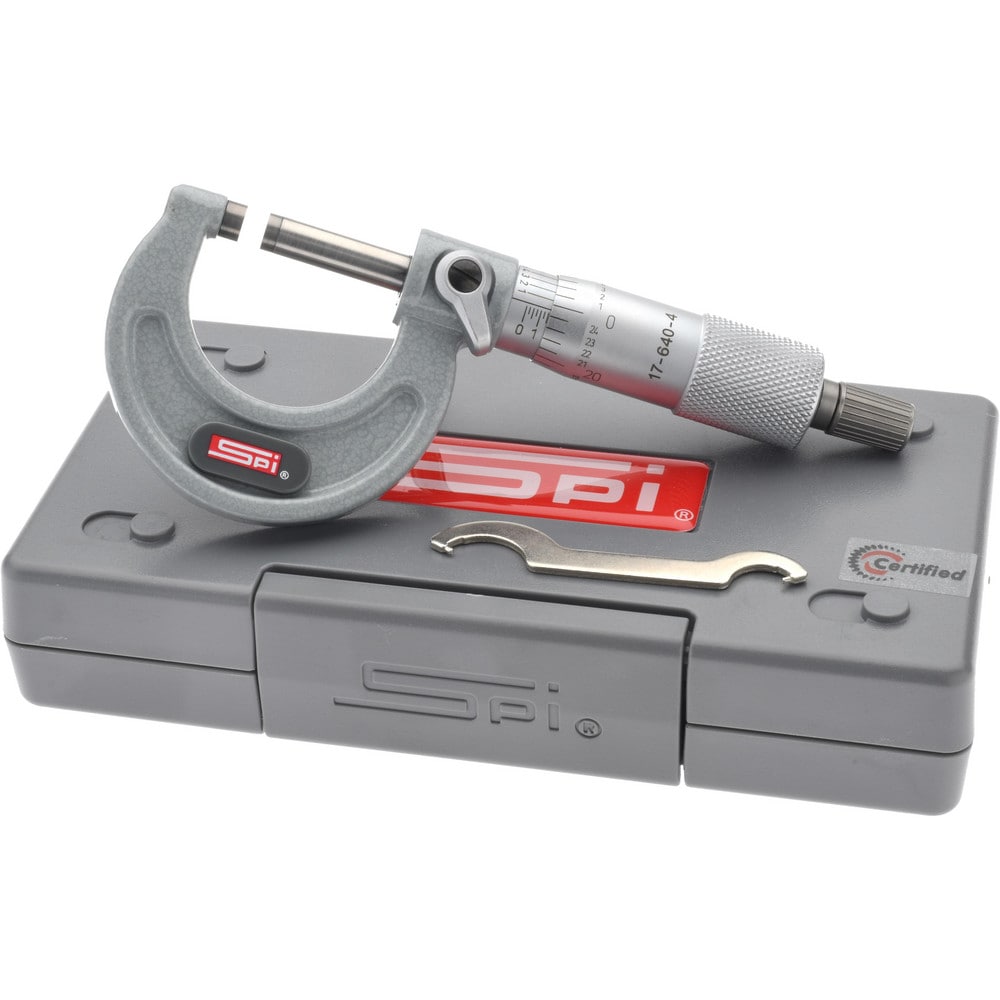
Before explaining how to use a micrometer, we will explore the different parts and their uses:
Frame: The sturdy structure holding the micrometer together.
Anvil: The fixed measuring surface.
Spindle: The adjustable part that moves toward the anvil to take the measurement.
Thimble: Rotates to move the spindle and adjust the measurement.
Sleeve: Displays the main scale.
Ratchet Stop: Ensures uniform pressure on the object during measurement.
Lock Nut: Secures the spindle position once you’ve taken a measurement.
How to Use an Outside Micrometer
Follow these steps to take accurate measurements:
Position the Object: Hold the object that needs to be measured in one hand and the micrometer in the other, then place the object between the anvil and spindle. Rotate the thimble counterclockwise until the spindle face gently touches the object.
Use the Ratchet Stop: Turn the ratchet stop to apply uniform pressure and prevent over-tightening to measure accurately without damaging the object.
Lock the Measurement: Once the object is secured between the spindle and anvil, twist the lock nut counterclockwise to hold the spindle in place. Then, carefully hold the micrometer by its frame and slide it off the object to read the measurement.
Reading the Micrometer
Micrometers typically have two scales: the sleeve scale, also known as the barrel scale, and the thimble scale. Other models may also feature a Vernier scale, which offers a higher degree of precision.
Reading the Sleeve Scale
Reading the Thimble Scale
Combining Both Readings
Maintenance Tips
Clean the measuring face of the micrometer to keep it free of debris or any particular that would affect the accuracy of the readings.
Properly store your micrometer in an environment that is free from dust, humidity, and heat, such as a protective case. For digital micrometers that won’t be used for extended periods, remove the batteries before storage.
