



Shop all our special offers today -
Shop Now
Calipers
979 items returned
Loading

-
Select a category for the best experience
-
-
-
-
-
-
-
-
-
-
-
-
-
-
-
-
-
-
-
-
-
-
-
-
In Stock
Web Price
$171.70 / ea.
In Stock
Web Price
$262.80 / ea.
In Stock
Web Price
$243.90 / ea.
In Stock
Web Price
$326.70 / ea.
In Stock
Web Price
$147.60 / ea.
In Stock
Web Price
$526.50 / ea.
In Stock
Web Price
$322.45 / ea.
In Stock
Web Price
$68.74 / ea.
In Stock
Web Price
$81.82 / ea.
In Stock
Web Price
$239.00 / ea.
In Stock
Web Price
$78.91 / ea.
In Stock
Web Price
$565.20 / ea.
Limited Quantities
Web Price
$75.13 / ea.
In Stock
Web Price
$201.25 / ea.
In Stock
Web Price
$94.83 / ea.
Limited Quantities
Web Price
$237.00 / ea.
In Stock
Web Price
$90.43 / ea.
In Stock
Web Price
$187.00 / ea.
In Stock
Web Price
$66.68 / ea.
In Stock
Web Price
$186.30 / ea.
Limited Quantities
Web Price
$67.54 / ea.
Limited Quantities
Web Price
$241.55 / ea.

In Stock
Web Price
$0.83 / ea.
In Stock
Web Price
$180.02 / ea.
Have a question?
We're here to help
Top Sellers
Calipers
Offering a diverse selection of calipers, MSCs catalog is designed to cater to a wide range of measuring needs. From the simplicity and reliability of vernier calipers to the modern convenience of digital models, our calipers ensure accuracy, quality, and efficiency. In the product range, there are vernier calipers known for their precision and versatility, dial calipers which balance traditional mechanics and ease of reading, and Digital calipers for users who value speed and digital accuracy. In addition, traditional firm-joint calipers, spring calipers, and dividers are available, offering a timeless, dependable toolset. Each product is selected with a focus on providing accurate readings for a variety of applications. Cutting-edge features include data output, auto shut-off, waterproof construction, solar power, and extra-large LCD displays on selected models.
How Different Caliper Types Measure Up
There’s an ideal caliper for every project—from reliable, traditional versions to top-tier electronic models with digital output and bright LCD screens you can read in the dark. At MSC Industrial Supply, we offer a wide variety of slide and pivot calipers, all chosen for their efficiency, accuracy, and quality. This buyer’s guide takes you through each type, with its unique strengths and capabilities, to help you find the one that meets your requirements.
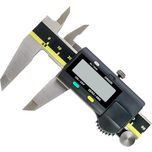
Digital / Electronic Calipers
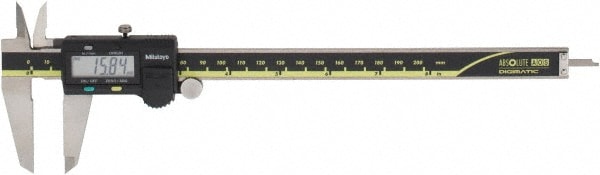
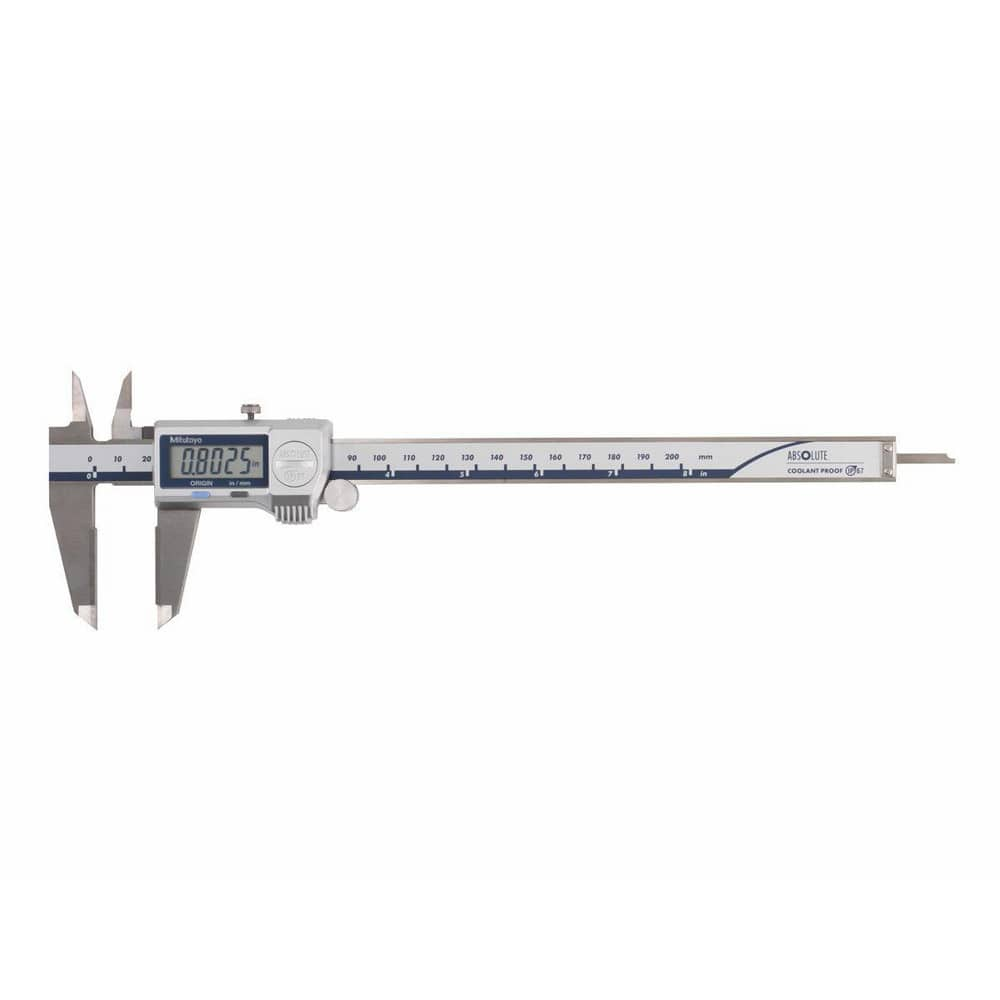
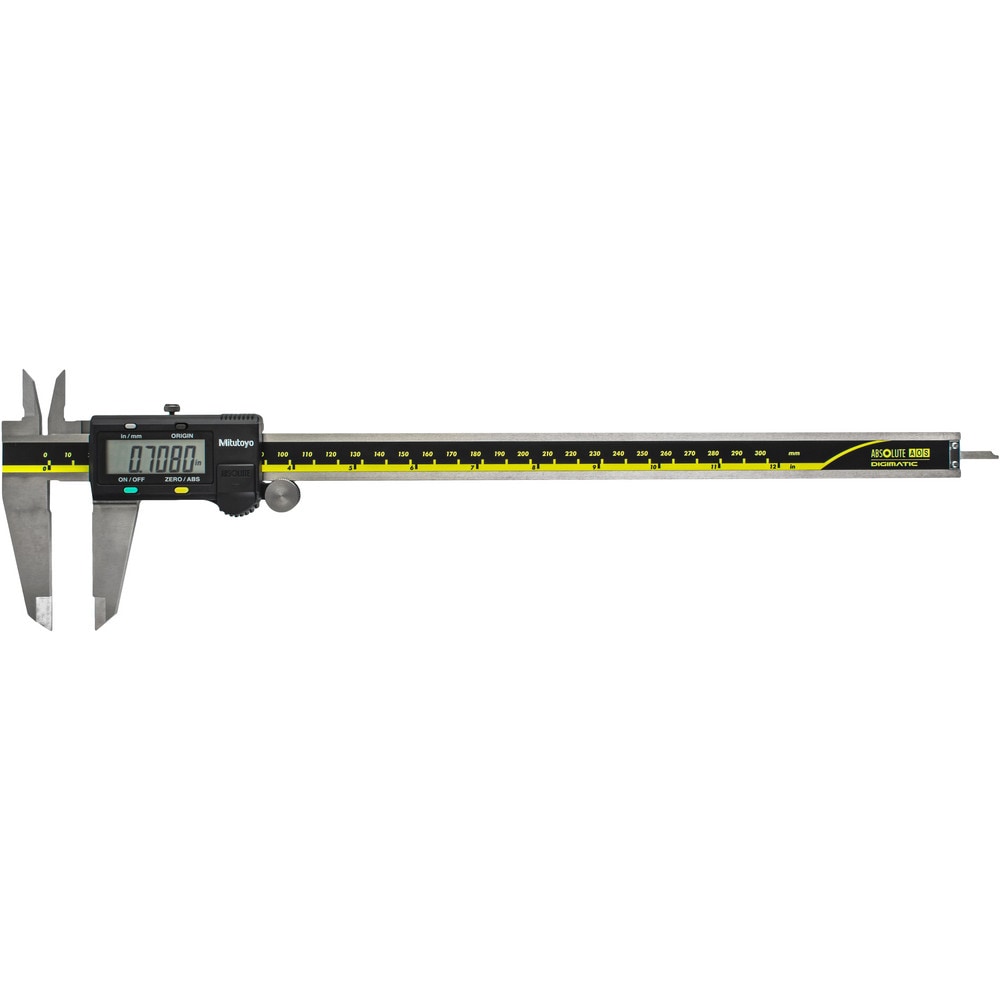
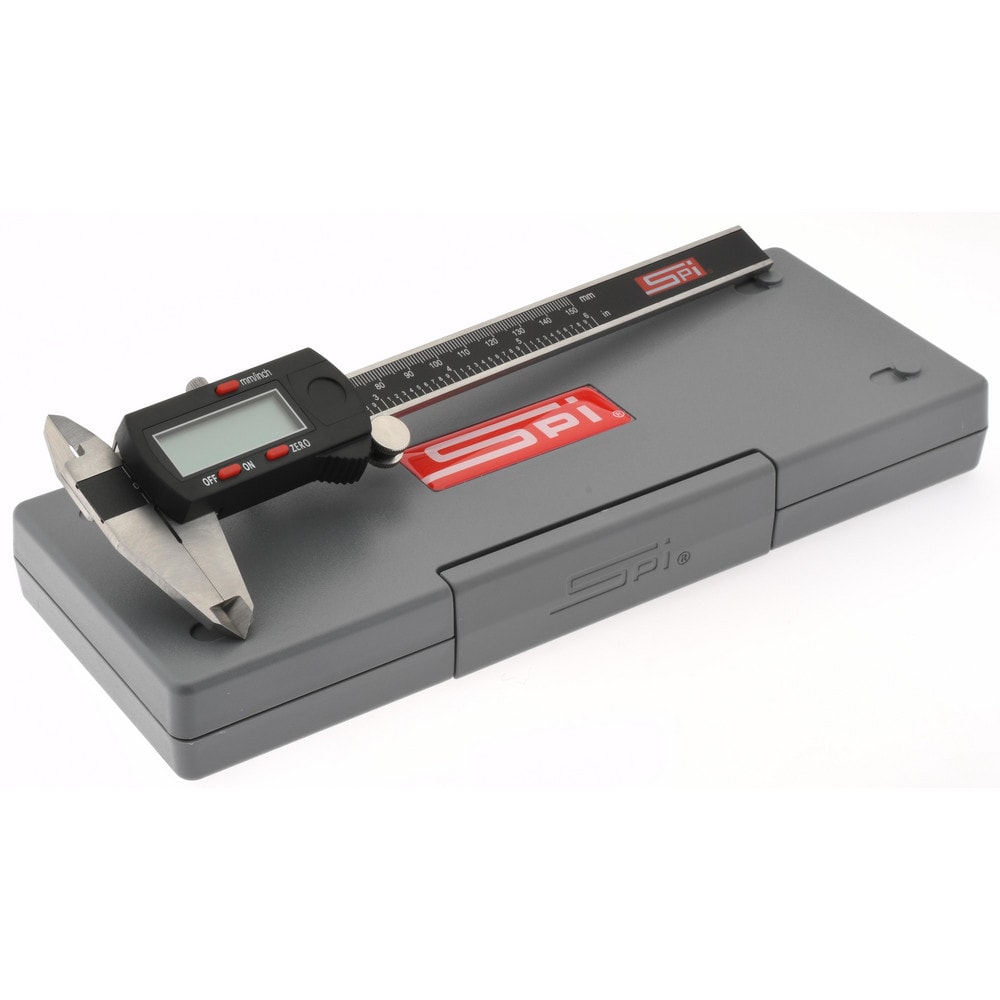
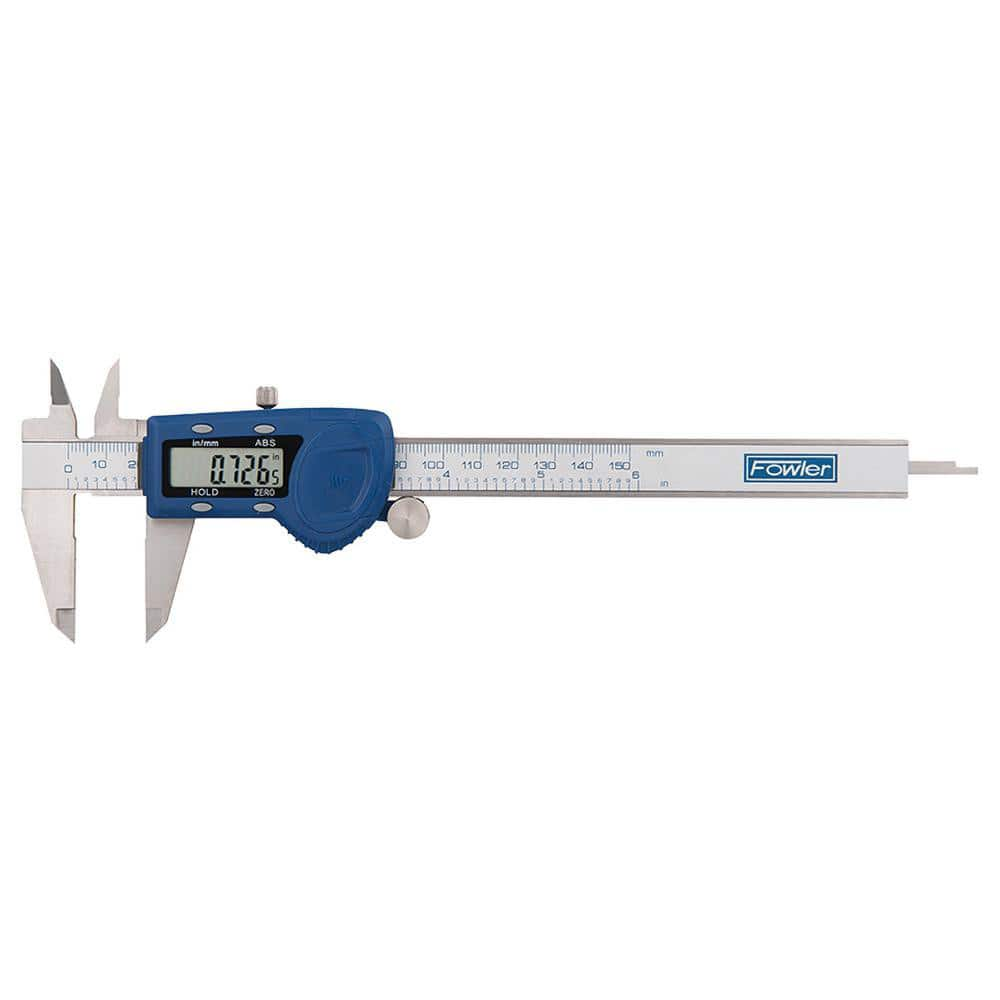
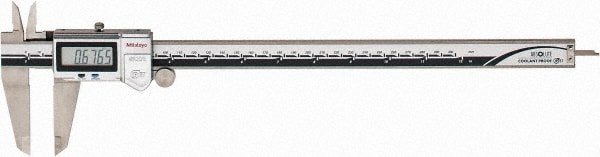
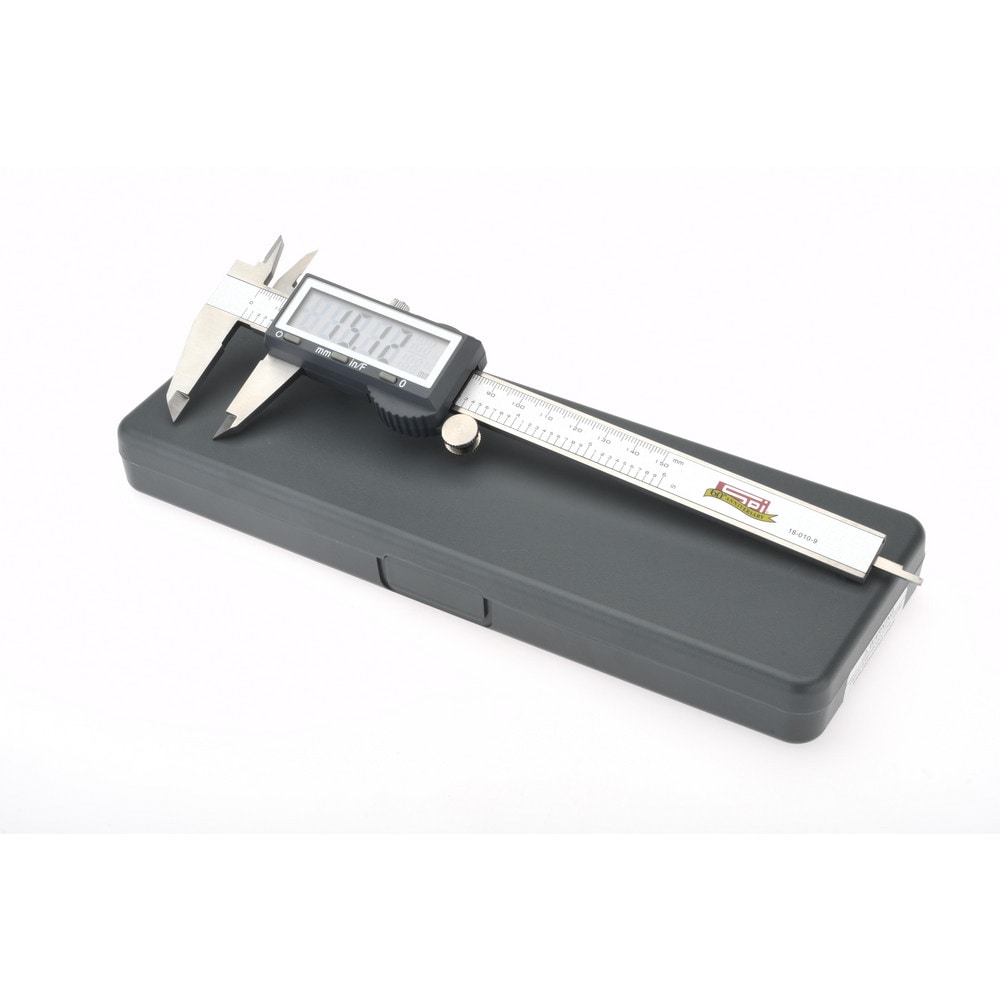
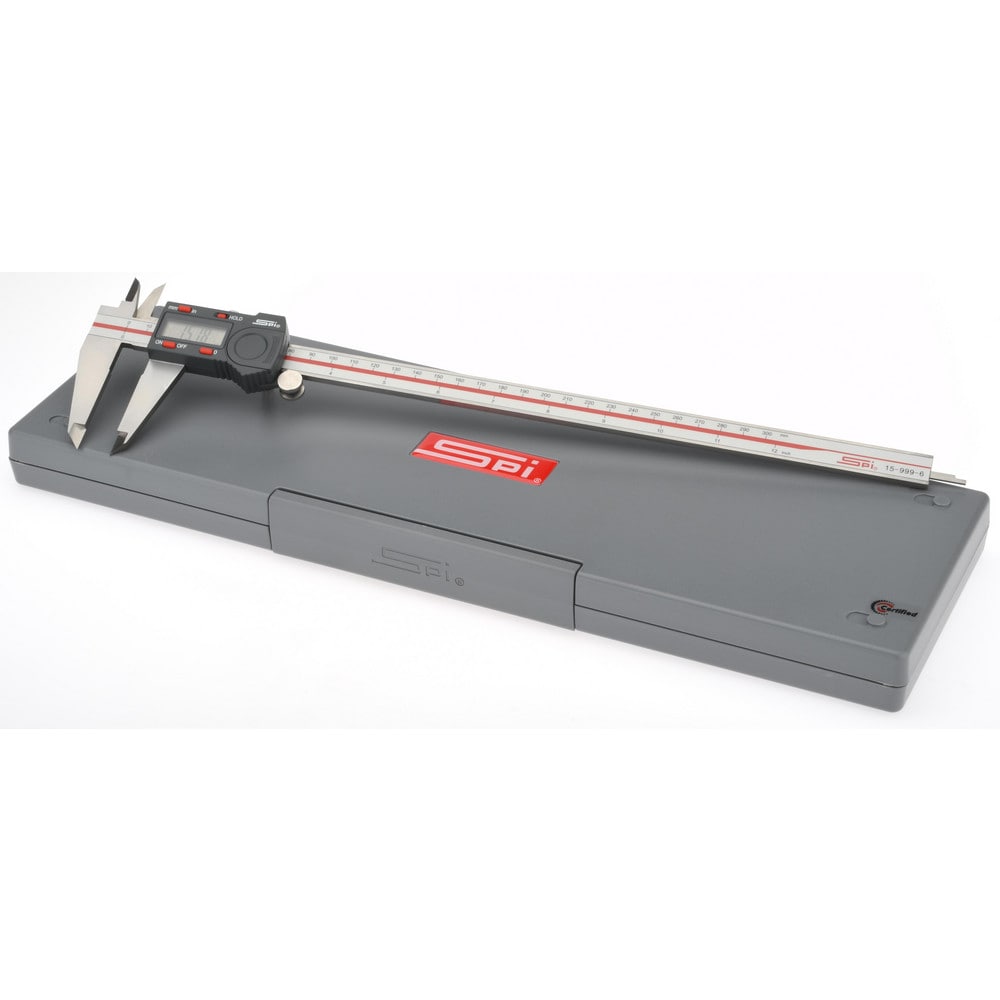
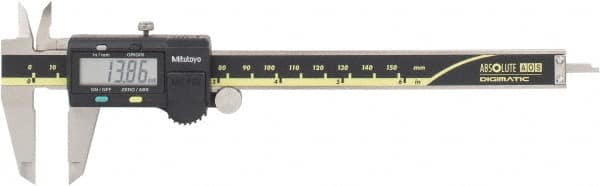
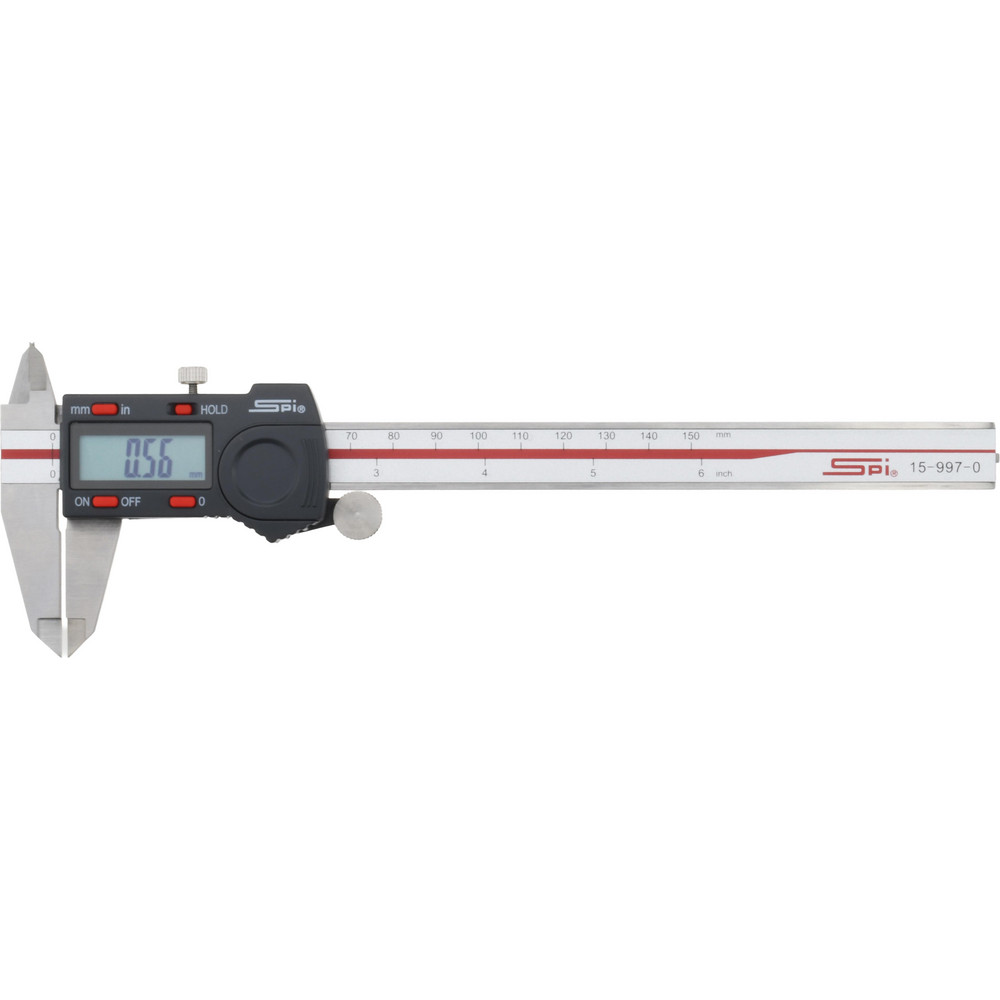
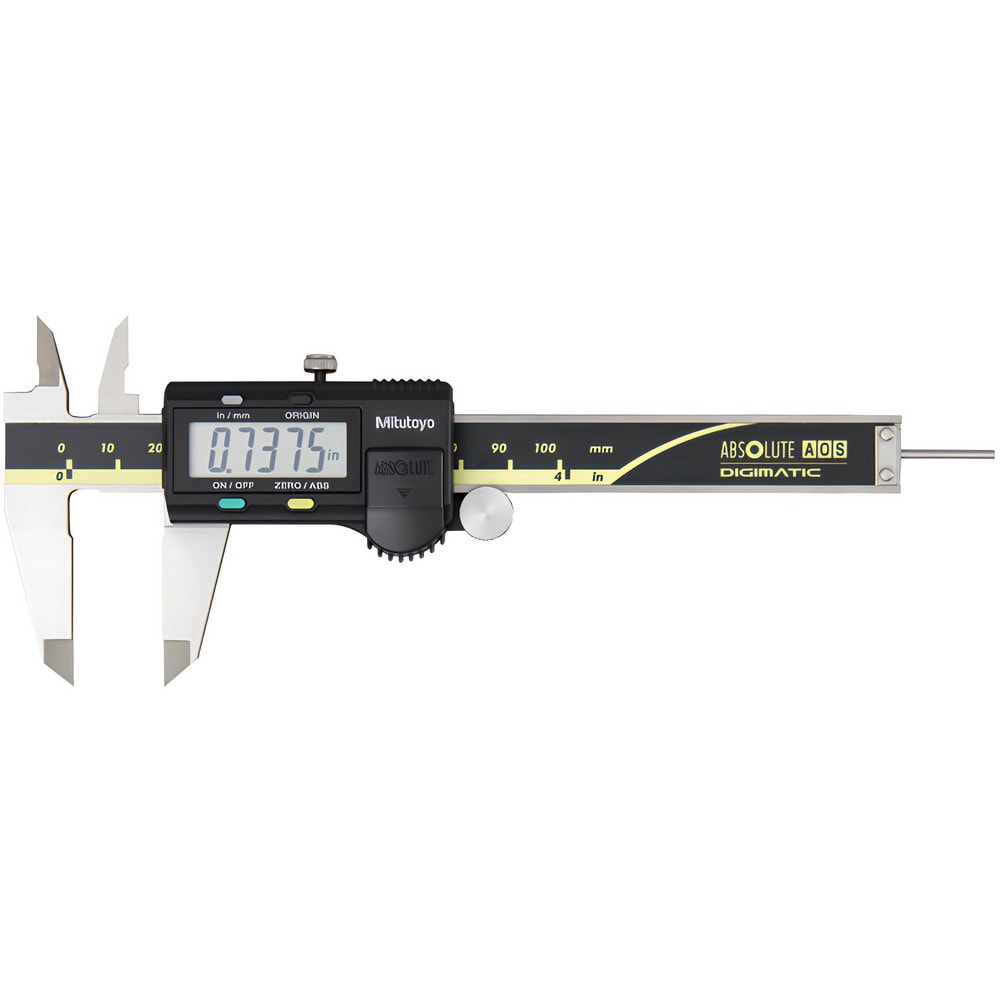
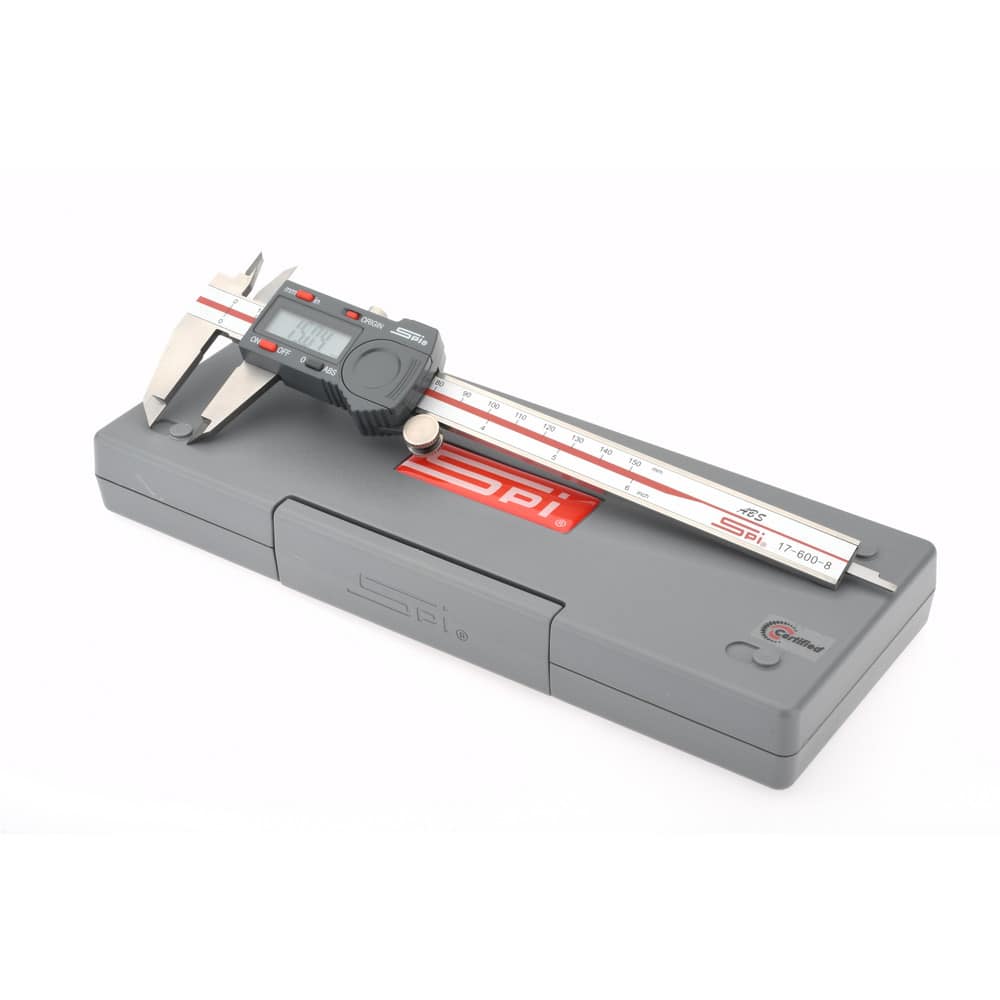
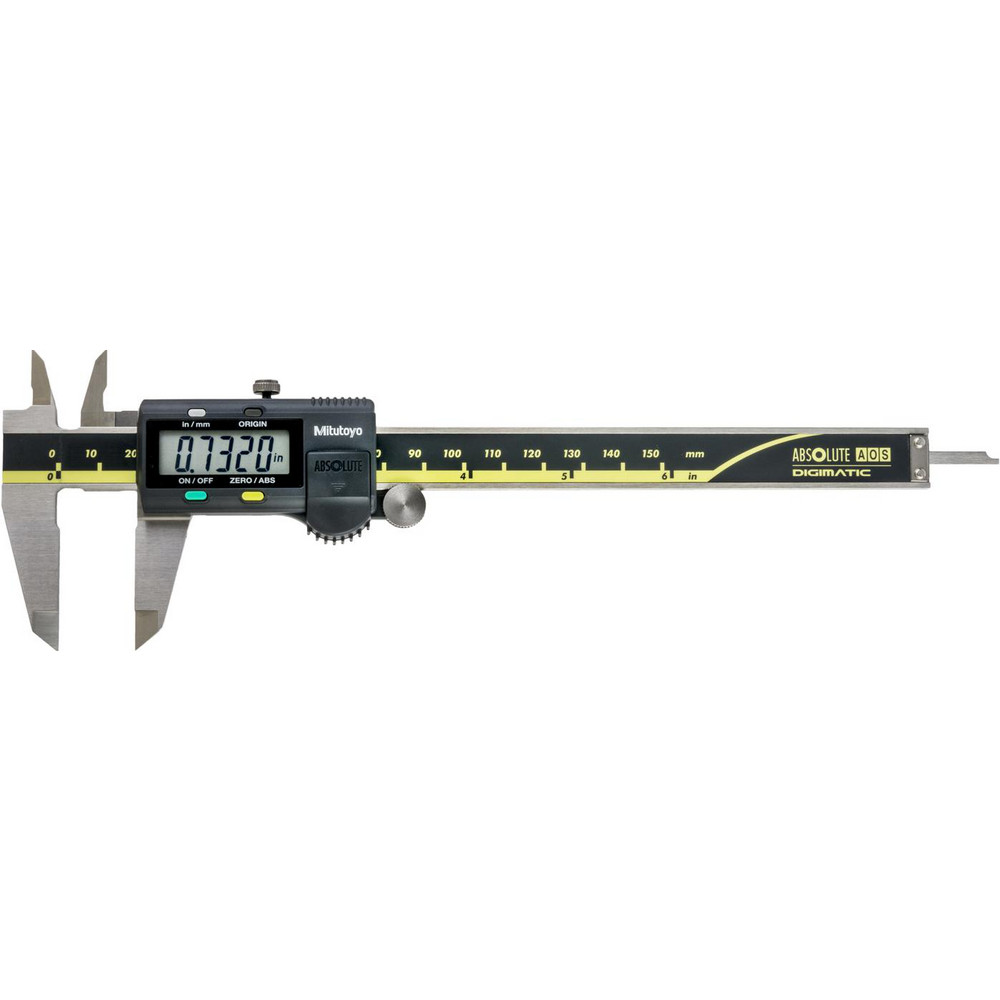
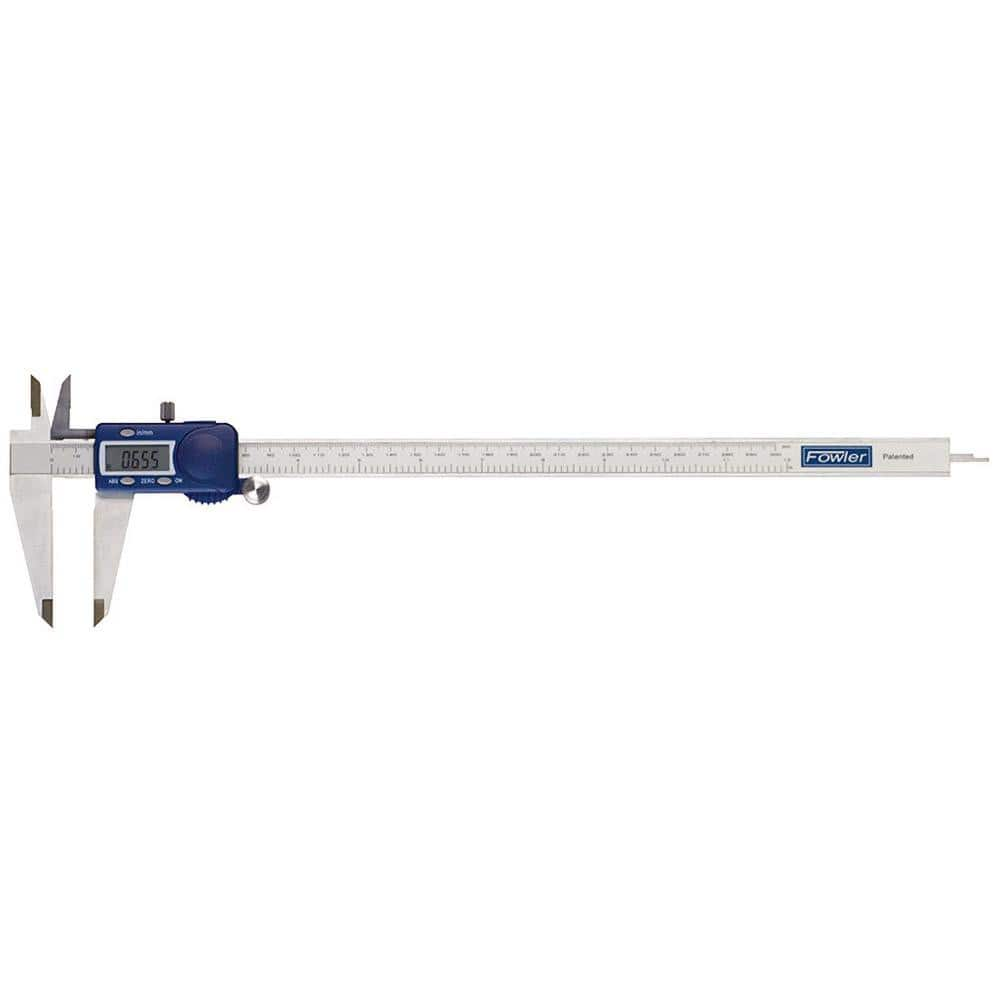
Digital (aka electronic) calipers stand out for their ease of use and clear digital readouts. They are ideal for users who value speed and digital accuracy. Opt for digital or electronic calipers if you need:
Readability in low or poor light conditions: Bright digital displays make reading measurements easier than traditional vernier or dial calipers in low-light conditions. Some even feature extra-large LCDs.
International projects using various measurement systems: They can easily switch between metric and imperial units at the push of a button.
Ultra-precise measurements: They provide high accuracy with digital readouts to thousandths of an inch or hundredths of a millimeter.
Quick and accurate data documentation: Some digital calipers can output data directly to digital files, enhancing efficiency and reducing the risk of transcription errors.
Accessibility: For users with visual impairments, digital calipers with large displays or audio output features can provide accessibility that traditional calipers cannot.
A waterproof construction: Waterproof digital calipers are especially valuable in fields such as chemistry or fluid mechanics. Check tech specifications for exact water resistance.
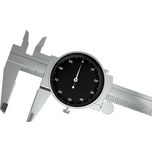
Dial Calipers
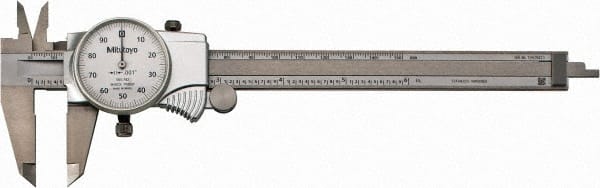
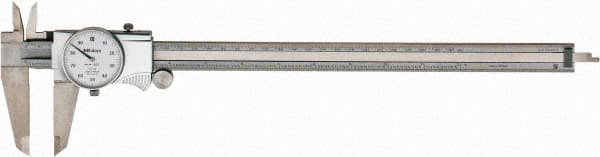
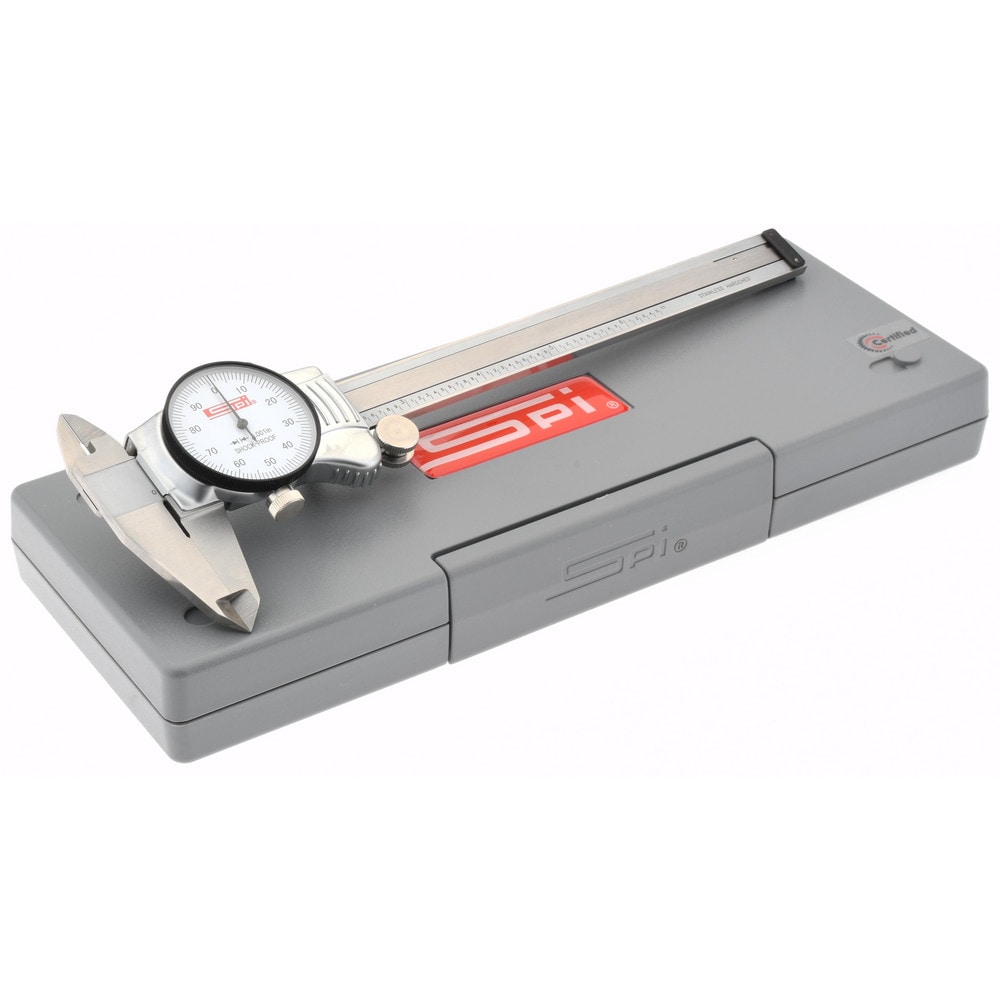
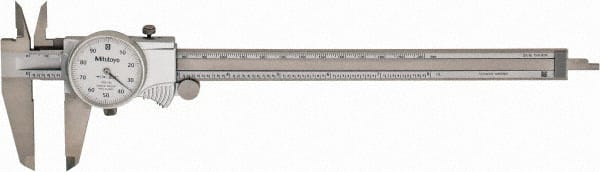
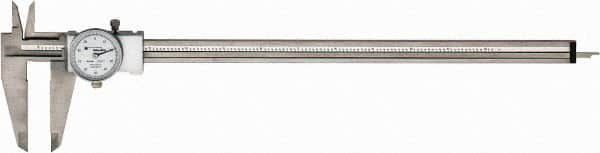
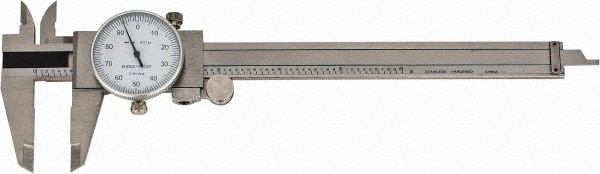
Dial calipers offer a balance of traditional mechanics and user-friendliness. They are also durable, making them suitable for harsh environments or extreme conditions. Consider this type if you need:
Quick readings with a tool that’s easy to use: Dial calipers are more straightforward to read than vernier calipers, particularly in fast-paced environments.
To repeat measurements: The dialmakes it easier to return to or check against a specific measurement, which is helpful in repetitive measuring tasks.
Non-electronic precision: For environments where electronic instruments might fail but precise, easy-to-read tools are still needed, dial calipers offer a mechanical precision tool with no batteries required.
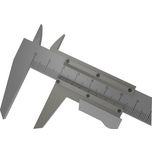
Vernier Calipers
Time-honored vernier calipers are known for their precision and versatility. They do, however, require a little training to use. They are also more delicate than other types. Choose vernier calipers if you need:
Precision reading without batteries: They are a better choice in environments where electronic devices might fail due to lack of power, as they do not require batteries, unlike digital calipers.
A budget-friendly option: Vernier calipers are less expensive than dial calipers, making them a cost-effective solution for basic measurement tasks.
Non-magnetic tools: In environments where magnetic fields might interfere with the functioning of dial calipers, especially those with electronic components, vernier calipers would be unaffected and thus preferable.
Joint Calipers
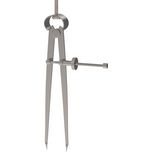
The legs of firm joint calipers are locked into place by tightening or loosening a screw at the joint. They may be a little time-consuming to release, adjust, and relock, but firm joint calipers hold their position well. For this reason, they are best for tasks in which measurements don’t need to be changed frequently.
The legs of spring calipers are held in place by the constant tension of a spring at the joint. No other manual adjustment is needed to lock or unlock the legs. Their flexibility makes spring calipers great for tasks where leg distances change often.
Joint calipers are also differentiated by their legs:
Inside calipers have legs that curve outward. The outward flare of the legs fits inside an opening and then expands to touch the internal sides for measurement. Inside calipers are a good choice for checking the internal diameter of precision tubes or inspecting the bore of engine cylinders.
Outside calipers have legs that curve inward and have a teardrop shape when closed. The inward curvature of the legs makes it possible to grasp the outside contours of an item. They would work to check the uniformity of turned metal shafts or the thickness of brake discs.
Dividers have completely straight legs that end in sharp points. Use dividers to mark workpieces rather than compare measurements. Their points can score circles and arcs or transfer measurements from a ruler to a workpiece.
